Our Research
Leveraging remote sensing technology to advance vernal pool research and monitoring.
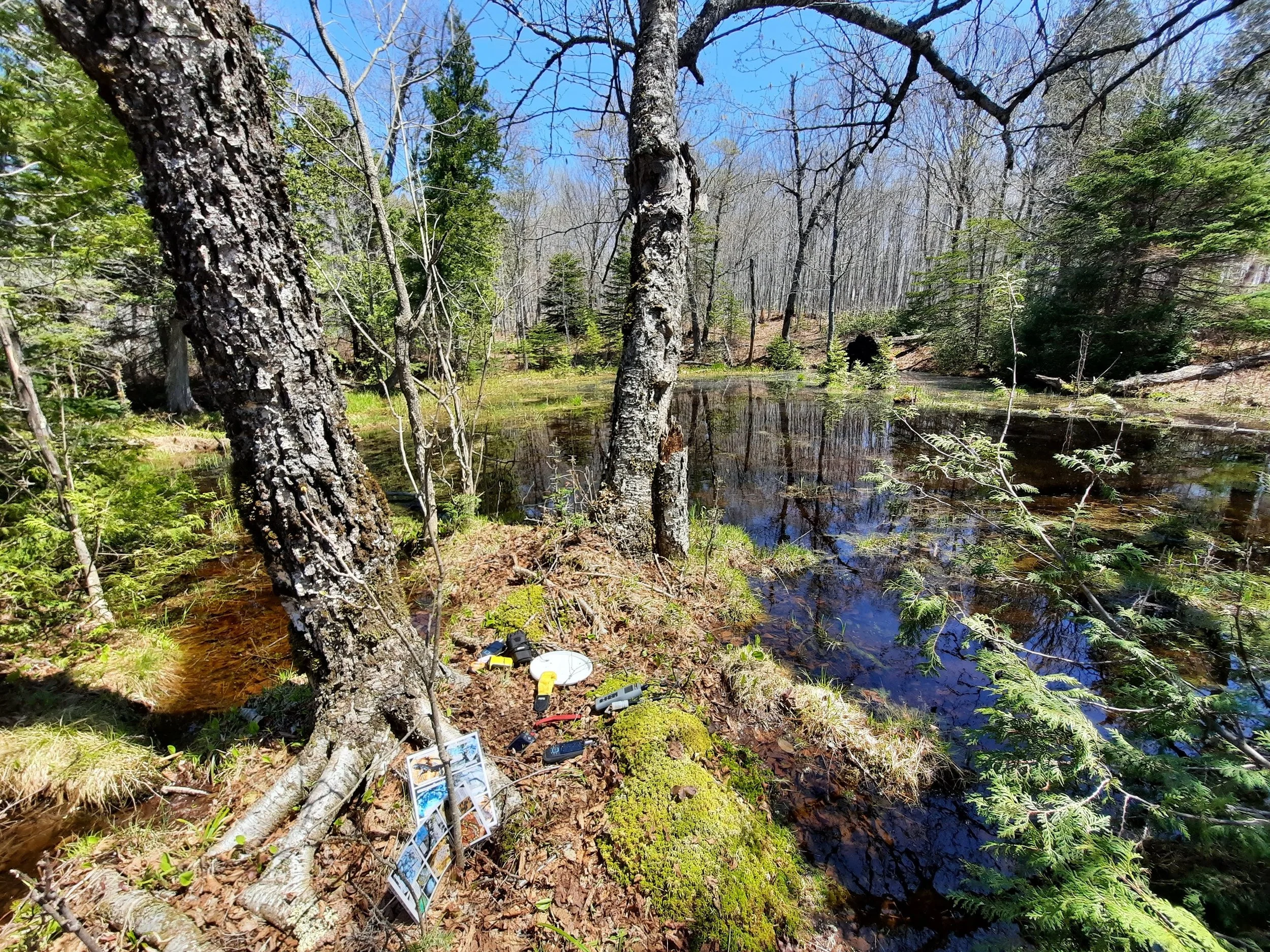
Vernal pools are small, cryptic wetlands that are difficult to efficiently detect and map. We aim to understand their distribution, biodiversity, and ecology using remote sensing and community science field verification to assess vulnerability and prioritize conservation and protection efforts.
About our Work
We combine remote sensing and community science to better understand vernal pool distribution, biodiversity, ecology, and vulnerability across the northern temperate forest.
Vernal pools are small, discrete forested wetlands characterized by ephemeral hydroperiods and high early-season biodiversity. These small natural features are localized biodiversity hotspots with disproportionate ecological influence, akin to keystone species, by supporting life cycles, food webs, and broader forest ecosystem function.
Due to their small size and ephemeral hydroperiod, vernal pools are often overlooked and pose unique research challenges despite their outsized ecological importance, leaving managers without the data needed to understand where pools occur, how much biodiversity they support, which are most vulnerable, and how to prioritize protection across changing landscapes.
As part of the NASA Integrating Remote Sensing and Citizen Science to Support Conservation of Woodland Vernal Pools Project, we are developing a standardized framework for identifying, verifying, and monitoring vernal pools to close critical research gaps and drive more informed conservation and management decisions.
Major Themes In Our Research
-
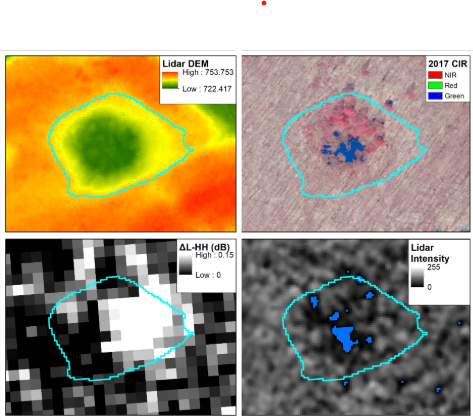
Improving Vernal Pool Detection and Mapping
We develop and refine methods to identify vernal pools across broad landscapes, including the use of remote sensing and other geospatial tools to detect these small and cryptic wetlands more efficiently.
-
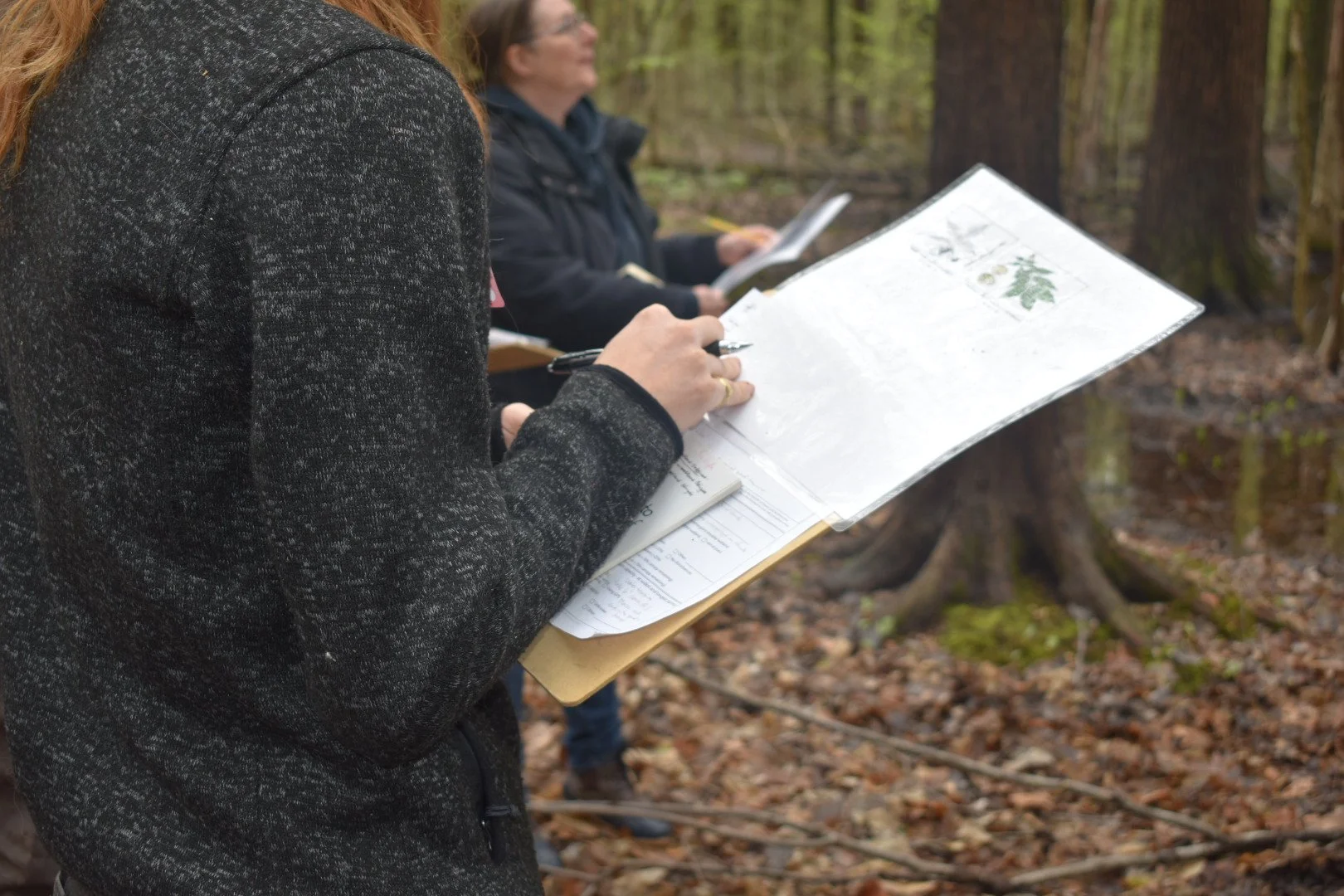
Building a Regional Framework for Verification
Because remotely mapped pools must be confirmed on the ground, our work uses field surveys and community science to verify presence, improve data quality, and support a more standardized regional inventory.
-
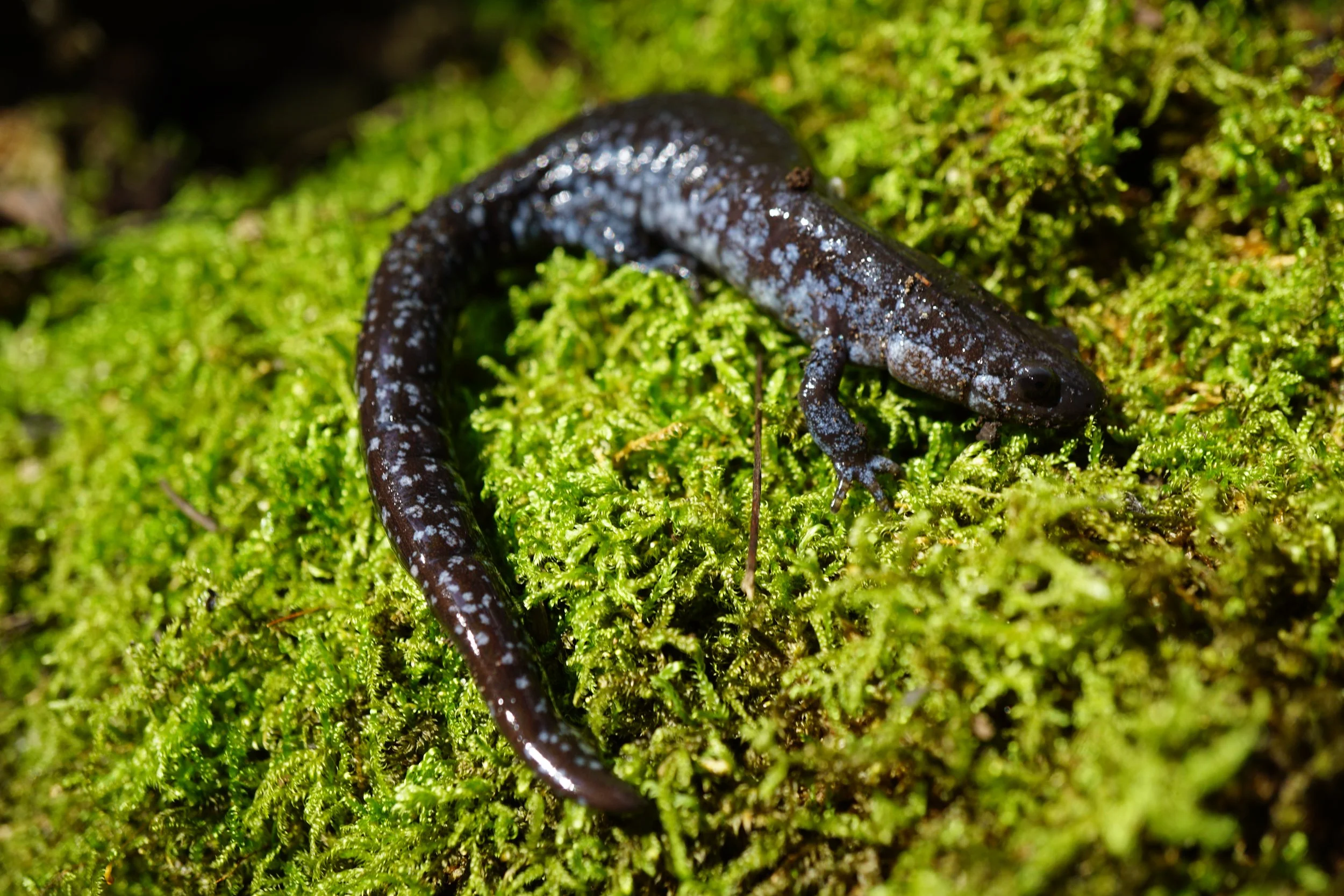
Linking Physical Features to Biodiversity
To help characterize high quality vernal pools, our work examines which pools support indicator species and what landscape features are associated with higher biological diversity.
-
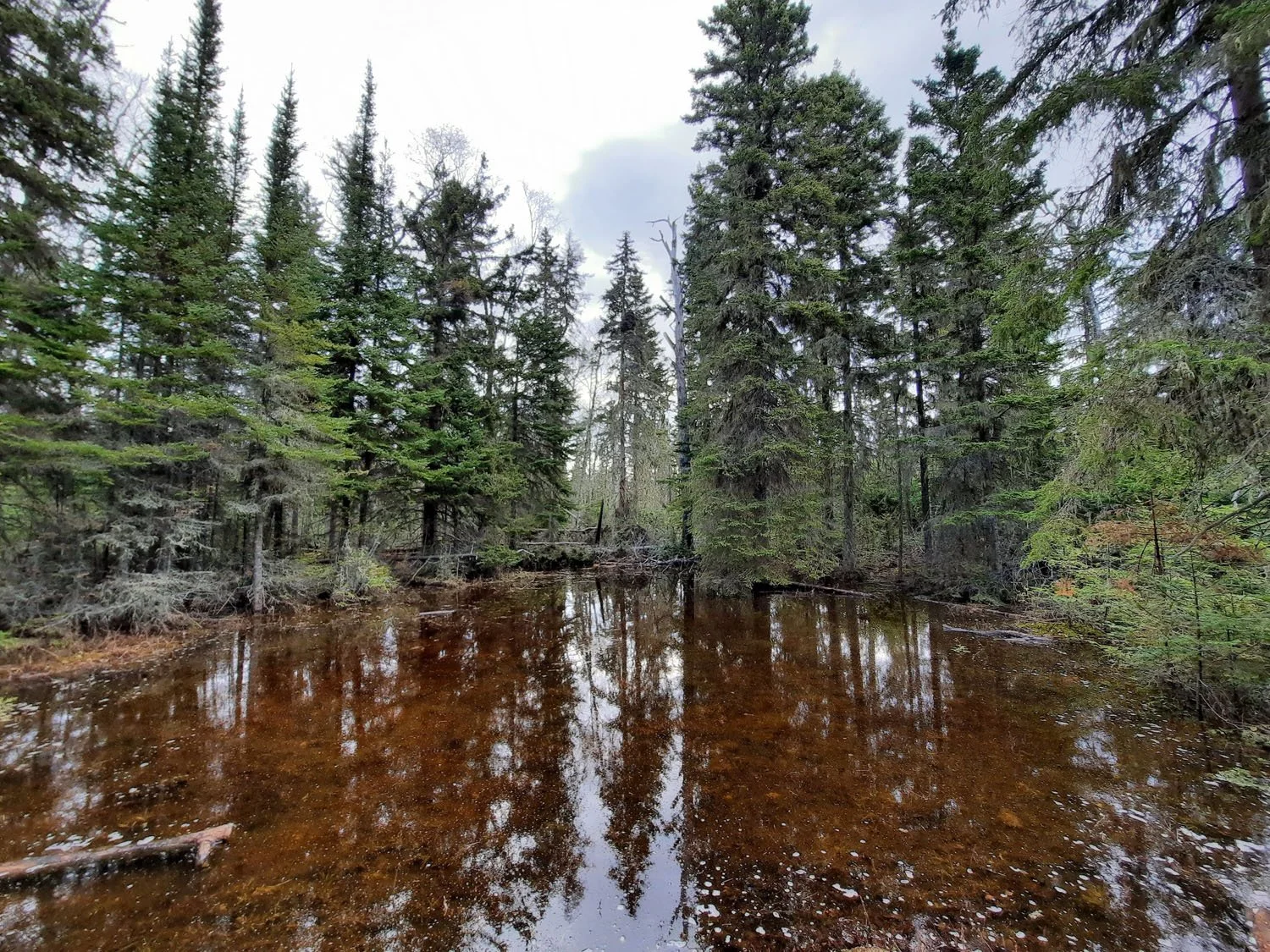
Assessing Vulnerability and Guiding Conservation Priorities
Our research aims to evaluate which vernal pools are most vulnerable to climate and land-use change and use that information to develop vulnerability assessments and identify high-priority sites for protection and management.
Featured Projects
-
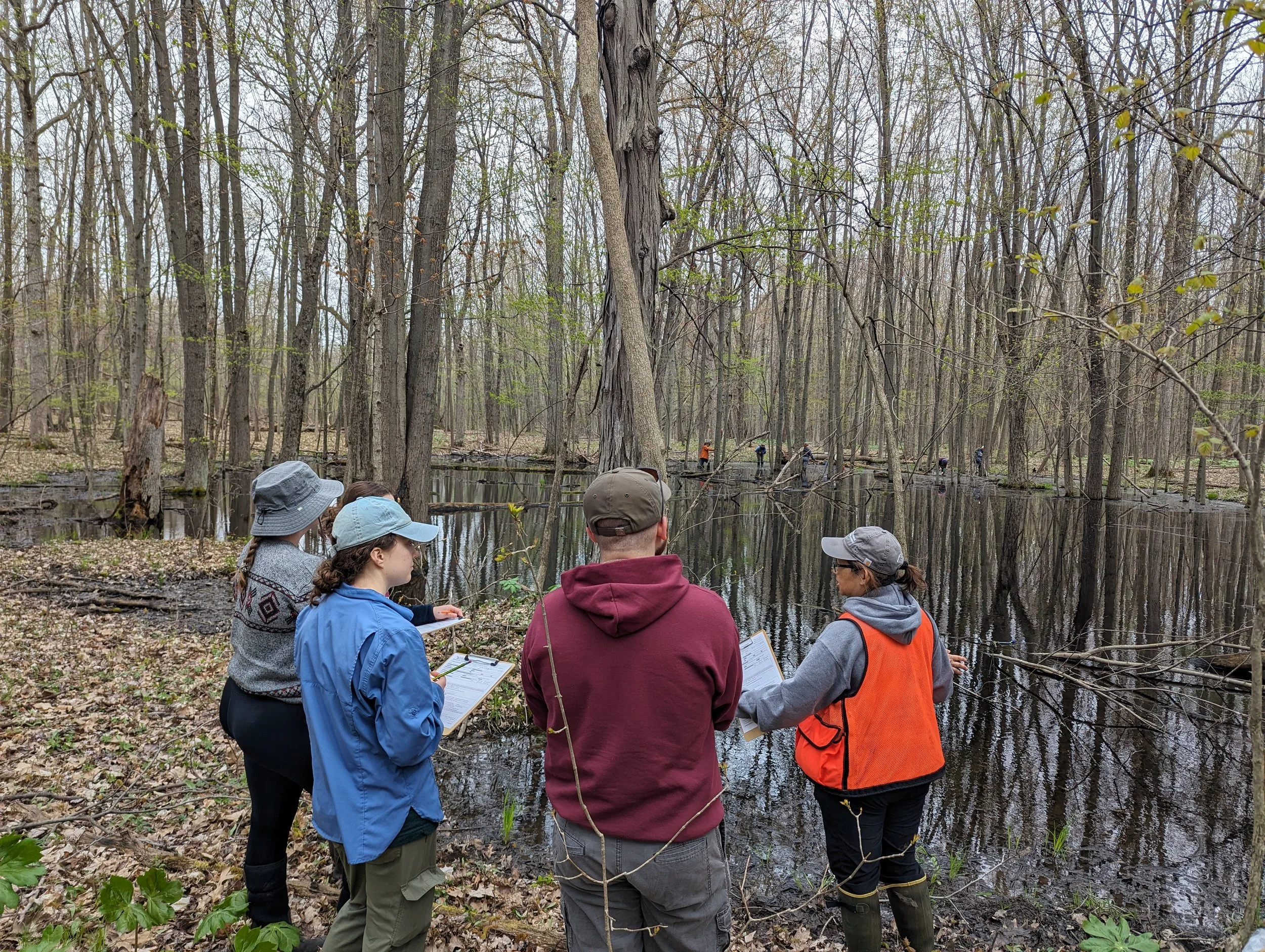
Michigan Vernal Pool Patrol
Coordinated by the Michigan Natural Features Inventory, the Vernal Pool Patrrol is a statewide program for community scientists and educators. Members learn how to follow a standard protocol to help identify and map locations of vernal pools within their local communities through classroom instruction and data collection in the field.
-
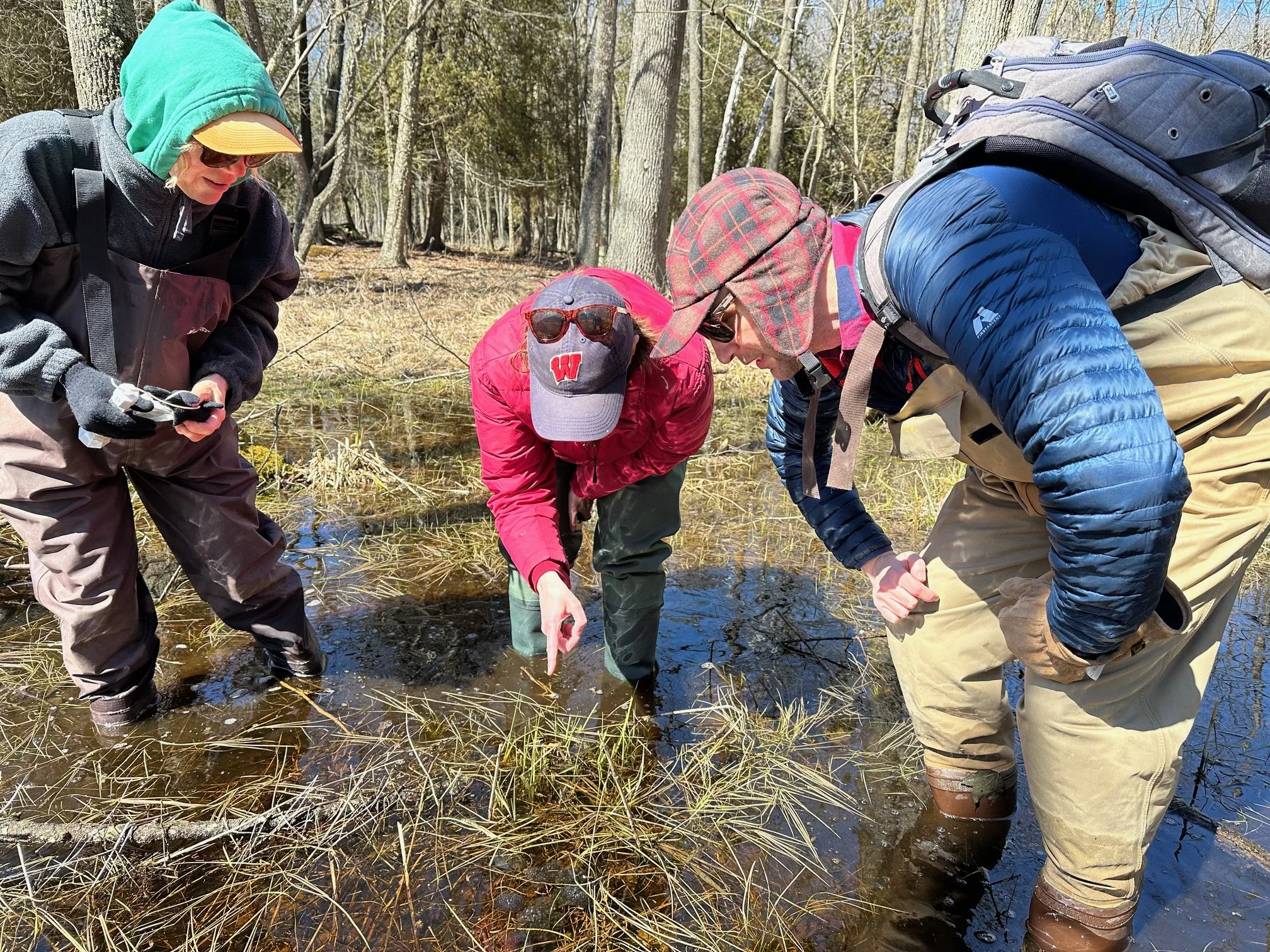
Wisconsin Salamander Survey
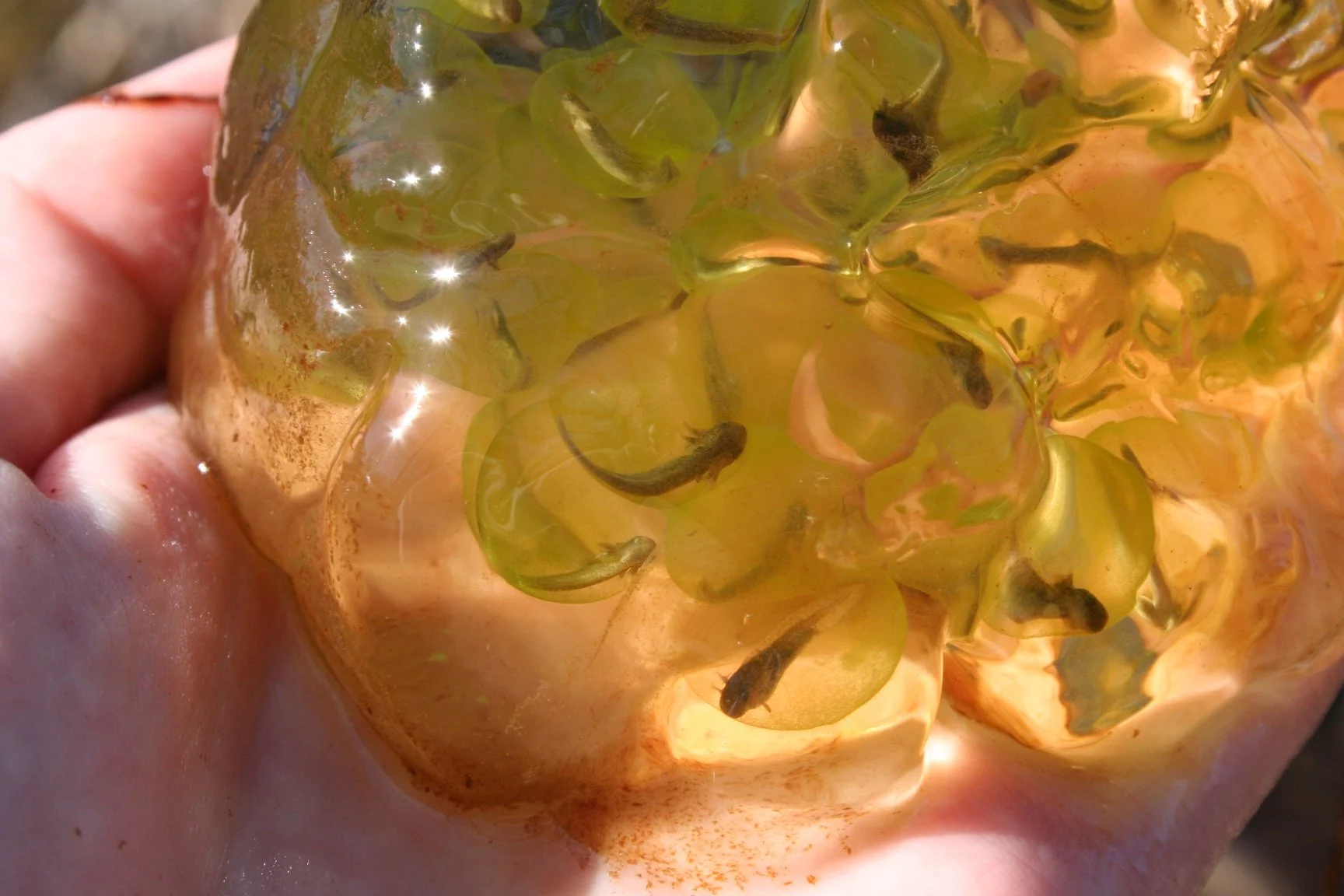
Coordinated by the Wisconsin Department of Natural Resources & University of Wisconsin-Platteville, volunteers learn how to survey ephemeral ponds for amphibian egg masses and adults, perform surveillance for amphibian diseases, and fill distribution and knowledge gaps for pond-breeding species.
-
NY POOLS
Coordinated by the NY Natural Heritage Program, NY POOLS focuses on verifying potential vernal pools in three focal areas in the western, northern, and capital regions of New York. Community scientists are assigned to sites, verify potential vernal pools, and monitor for breeding amphibians and other important species.
Common Vernal Pool Definition for Mapping and Monitoring
Current vernal pool conservation efforts are highly inconsistent across the region, leaving many vernal pools vulnerable to destruction and degradation. With this intention, the NMVPC has been working on a common definition, criteria for high quality vernal pools, and common data collection standards methods for mapping and monitoring efforts.
Data consistency across state boundaries will allows for integration of field datasets into an open-source, regional vernal pool database to address overarching research questions about the distribution and diversity of vernal pools across the region. This definition is meant to be iterative and will be revisited after future field seasons.

Get Involved!
Ready to Dive In To Vernal Pools?
Contact us to find vernal pool programs & resources in your area.